
Boots on the Ground
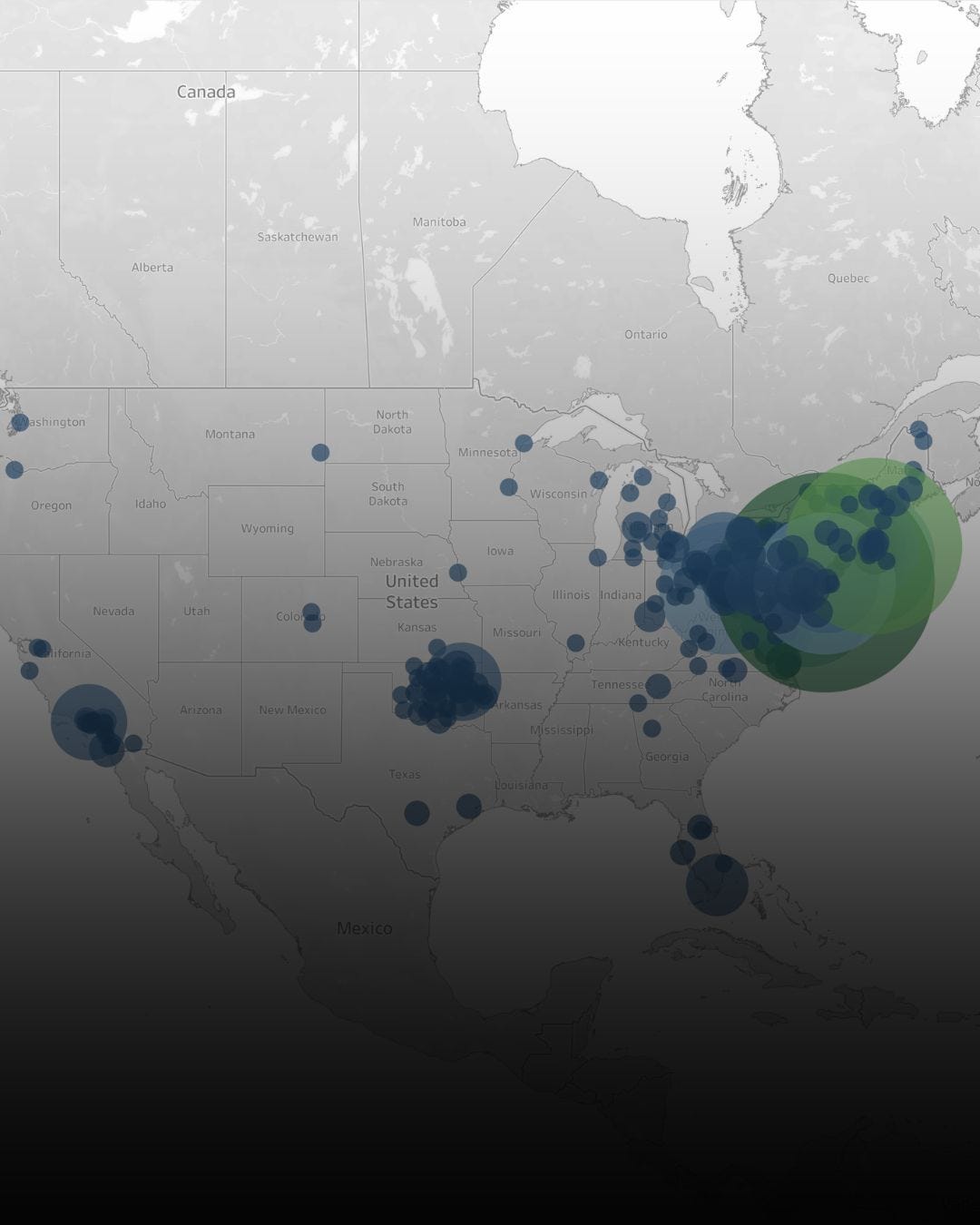
13 states. 27 assignments. One team. One month.

When I started my first business at 25 — a residential brokerage in Boston with 30 agents, two offices, the first major condo development in a transitioning Roxbury neighborhood — I didn’t know what I was signing up for. Nobody does.
A few weeks ago I posted a line on Threads: Most people want the result. It doesn’t happen by itself. It happens in the unglamorous repetition of teamwork. That’s how it’s always been built.
April was that thought, made literal.

The Numbers
Thirteen states, coast to coast — Hawaii to Massachusetts. Twenty-seven assignments completed across the team. Fourteen inspections, the kind that put boots on the ground in markets that don’t show up in spreadsheets. Four of those inspections personally — three in Manhattan, one in Cincinnati.
Behind every one of these numbers is a property, a partner, a market that needed someone willing to actually show up. Eyes on the street. Asking the questions no dataset can answer.
The April map, in order: California, Connecticut, Florida, Hawaii, Massachusetts, Missouri, New Jersey, New York, Ohio, Oklahoma, Pennsylvania, Rhode Island, Virginia.
Thirteen states. One team. One month.
What April Looked Like
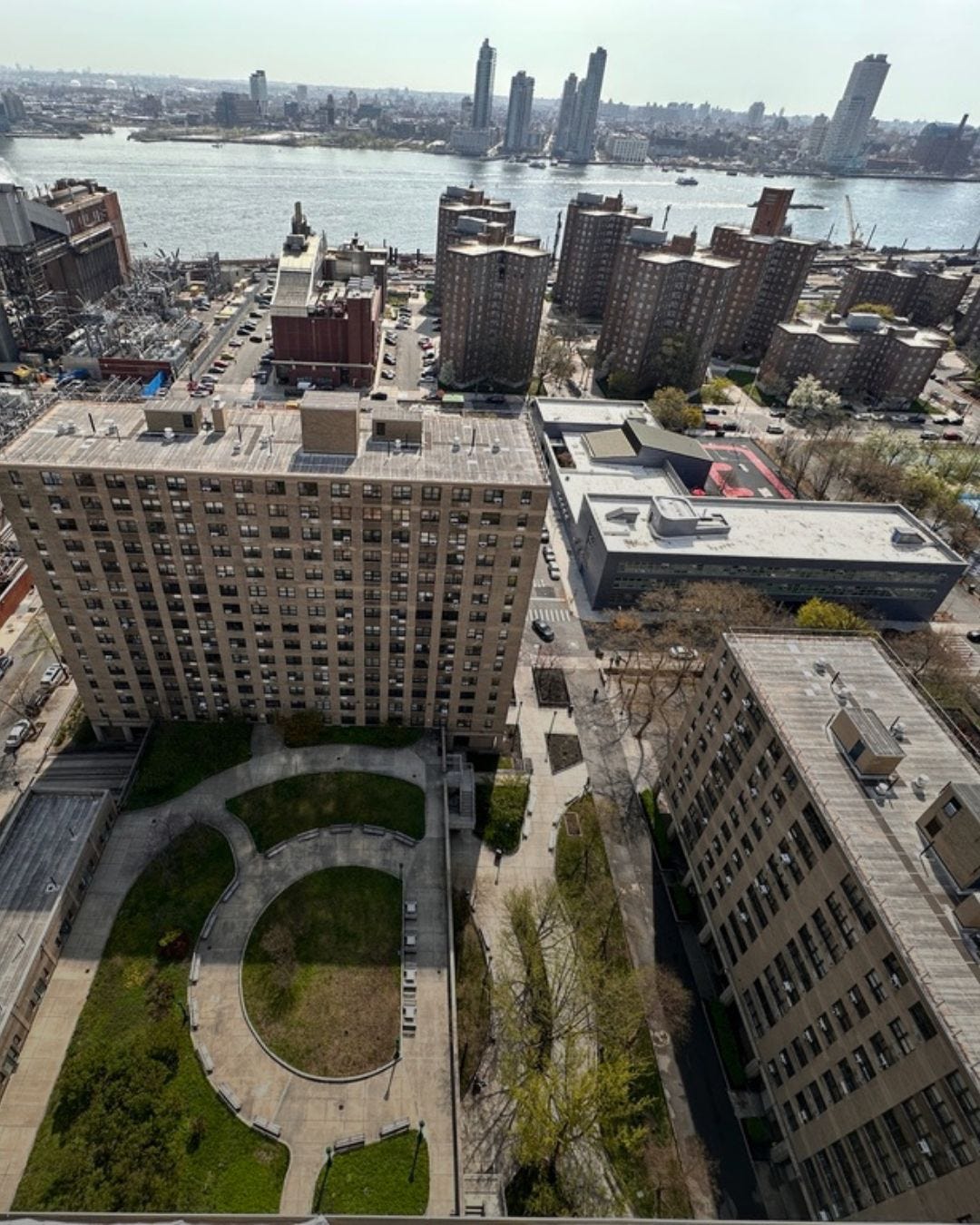
Three Manhattan rooftops in a day. A Cincinnati inspection where the submarket dynamics told a different story than the comps suggested. Hawaii market studies that required understanding an entirely different economy. Cleveland and Detroit work running in the background.
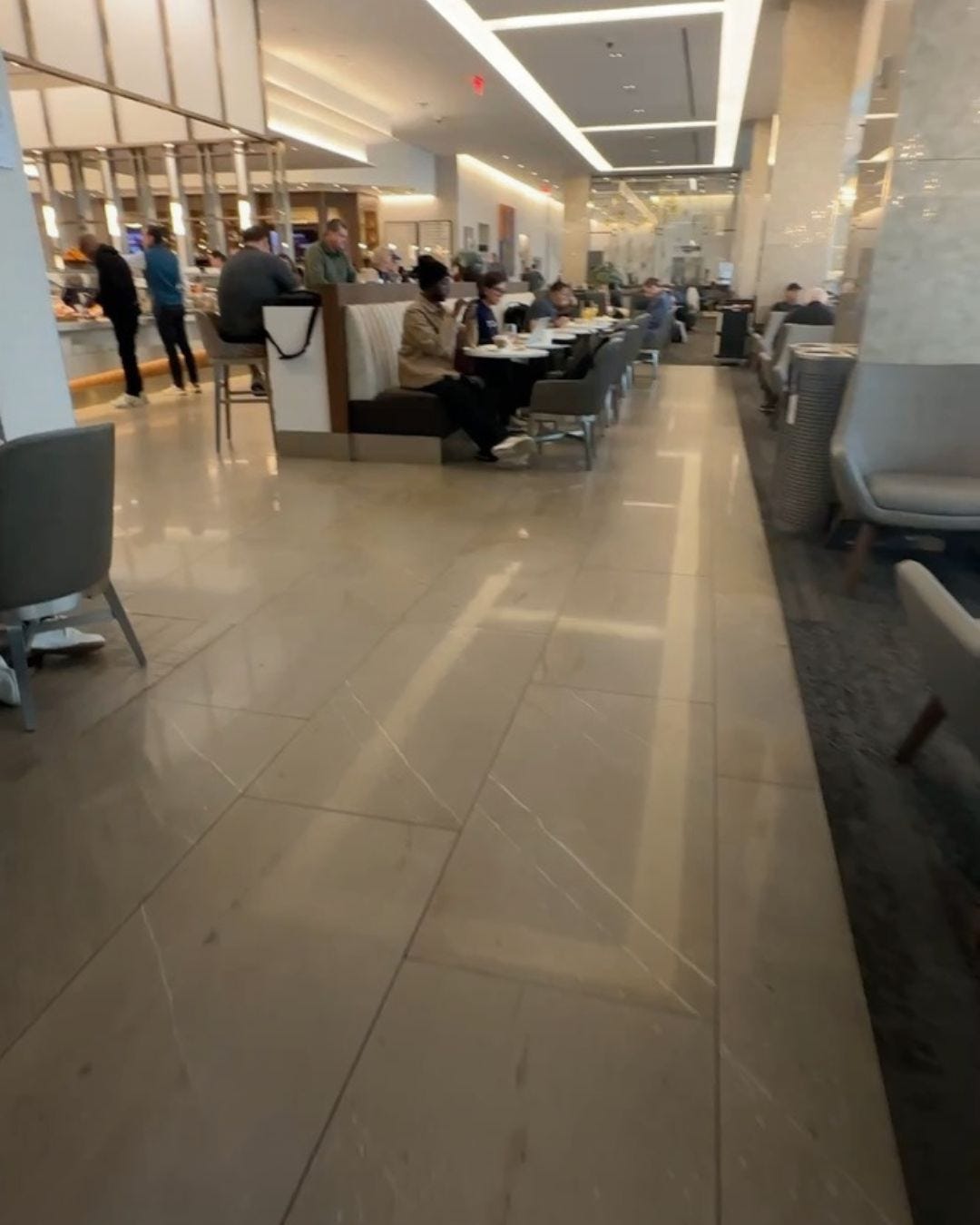
The kind of month where you don’t unpack between trips. Where the Delta Lounge becomes a second office. Where your team is moving in three time zones at once and somehow it all has to land — on time, on standard, on point.

This life is not for the faint of heart. But it’s the life I chose, and every month like April reminds me why.
What the Work Revealed: The MarketRent™ Series
The deeper story of April lives in three markets where my team and I went deep. Each one is a different lesson in how affordable housing actually works — and where the gaps are between policy, data, and what’s happening on the ground.

Cleveland — The Opportunity Corridor
The downtown conversion pipeline gets the headlines, but the more consequential long-term residential story in Cleveland is playing out east of downtown. A 3.2-mile, $330 million urban boulevard completed in 2021 reconnected Fairfax, Kinsman, and the edge of Slavic Village to University Circle — neighborhoods historically isolated from downtown by decades of industrial use and disinvestment.
What makes this different from a speculative neighborhood bet is the demand foundation. Cleveland Clinic and University Hospitals aren’t just the largest employers in the region — they are the primary engines of residential demand that makes development along the Euclid Corridor and the East Side viable at institutional scale. Healthcare workers don’t work remotely. They need to live near their hospitals. That’s the kind of demand profile that holds through a cycle.
Read the full analysis: Cleveland's East Side — From Hough to University Circle

Detroit — Midtown’s Second Act
Detroit’s downtown adaptive reuse story gets the visibility — Book Tower, the Free Press Building, the conversion pipeline that turned vacant office stock into apartments. But the more strategically positioned multifamily submarket is Midtown, where the institutional anchors do the heavy lifting. Wayne State University, the Detroit Institute of Arts, and Henry Ford Health System have cemented Midtown as an intellectual and cultural hub, attracting a steady flow of students, professionals, and visitors and creating sustained demand for housing.
The numbers reflect the strategy. Education and Health Services added 2,600 jobs year-over-year and now represent 16.3% of the metro’s 2.074 million non-farm workers. That’s the demand floor. Midtown’s Lifestyle tier averages $1,581/month with 3.1% growth — the third-ranked Lifestyle submarket in the metro — supported by a measured pipeline of just 69 units projected for completion in 2026. Institutional demand plus disciplined supply equals the kind of stability most national firms miss when they look only at the metro headline.
Read the full analysis: The Motor City's Second Act

Hawaii
Hawaii is unlike any market on the mainland. Construction and operating costs run substantially above mainland averages, land scarcity has intensified competition for developable sites, and short-term rental conversions have removed inventory from the long-term market — creating persistent upward pressure on rents across island markets. Our RCS reviews across the State of Hawaii capture what that means for the families and seniors depending on assisted housing in one of the most expensive housing markets in the country.
Read the full Hawaii Market Studies case study
Why It Matters
A metro can be experiencing a boom or bust cycle overall, but at the neighborhood or submarket level, it’s a different story. You cross a street and you’re in a different world — different ZIP code, different price point, different demand drivers, different lives.
That’s the work. Reading what’s actually there, not what’s easy to assume.
Thirteen states in April. Twenty-seven times we showed up for a client, a property, a community. Fourteen inspections where someone from our team walked the building, read the street, talked to the people who live there.
The data tells one story. The boots on the ground tell another. We do both.
If you’re new, this is the space where I write about what I’m building, what I’m reading, and what I’m thinking — the version of the work that doesn’t fit neatly into a market report.
If you are working through a transaction, a compliance requirement, a market intelligence need, or a strategic portfolio opportunity — I would welcome the conversation.
— Eve
Eve Moss is the Founder and Managing Principal of Clarendon, a commercial real estate firm specializing in housing markets nationwide. With 30+ years of experience, she operates from New York, Boston, and Cleveland, serving agencies, property owners and policymakers.
For inquiries about market analysis, valuation, brokerage services, or strategic advisory, contact eve.moss@clarendon.com or visit clarendon.com.
Everything at evemoss.com → Market Intelligence. Mindful Living.
Subscribe to receive:
Quarterly market reports
Market intelligence updates
Analysis of housing policy changes
Insights from 30+ years in real estate