
This Is What Building Looks Like
The work has to be rooted in something real — Manhattan market analysis, Cleveland on my mind, and what Emma Grede got right about starting with yourself.

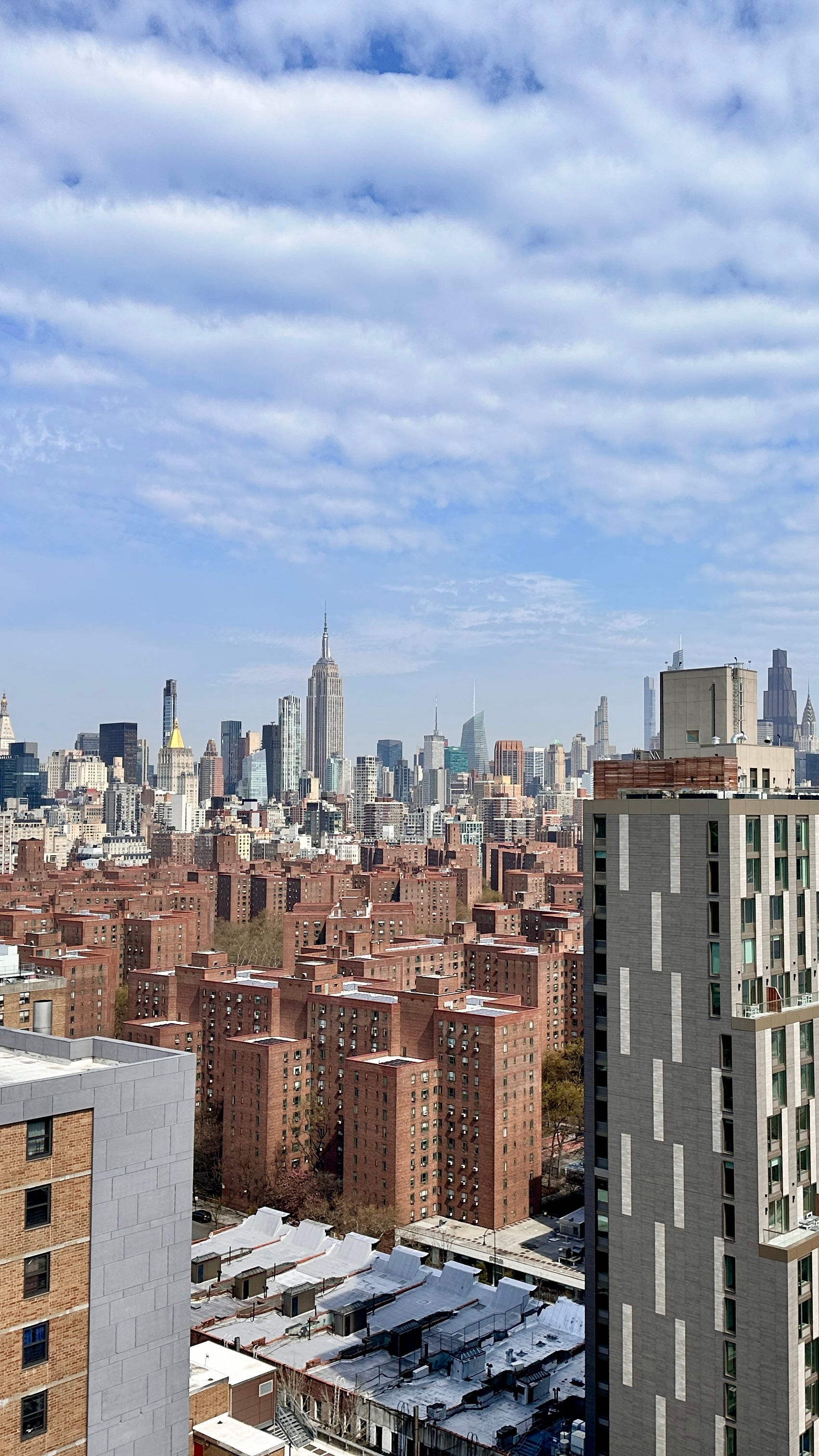
Last Monday I was in Manhattan by 8 AM. Three properties — different buildings, different neighborhoods, different ownership situations — each one a data point in the market analysis work that underlies everything we do. Delta Lounge on both ends: a lifesaver when the day starts before the city wakes up and ends well past midnight.
My sister came with me. She’s shadowing the inspection and analysis work, learning the practice from the ground up. Her first was in Hawaii. Next up: California and Missouri. We wrapped the last site in time for an early dinner at Red Rooster in Harlem — one of those meals where the conversation is half business and half just two people catching up on a life that’s moving fast.
Home by midnight. That’s the rhythm right now. Not glamorous, but it’s mine. And honestly? I’ve stopped trying to make it look like anything other than what it is: the work of building something real, one day at a time.
I’ve been sitting with Emma Grede’s book Start With Yourself through stretches like this one. Her premise is deceptively simple: the business has to be built from the inside out. Not from market conditions or funding rounds or what’s trending — from a clear-eyed understanding of who you are, what you’re built for, and what you actually believe.
I keep returning to that idea. Because this particular stretch — market analysis in New York, market intelligence on Cleveland, deepening our affordable housing work — it only makes sense if it’s an extension of something real. Otherwise it’s just noise.
The City I Keep Coming Back To
I’ve been deep in Cleveland for the past several months. Not because it’s a hot market the way coastal investors talk about hot markets — because it’s home, and because I think most people who aren’t from here fundamentally misread it.

The MarketRent™ Cleveland series started as a data exercise and became something else. Four articles in, I’m writing about neighborhoods I grew up around, infrastructure investments I watched get built, and development projects that are reshaping the city in ways that rarely make national headlines.
A few things from the research that have stayed with me:
Cleveland has been doing adaptive reuse — converting old office towers and historic buildings into residential — for fifty years. While coastal cities are just now treating office-to-residential conversion as a novel post-pandemic strategy, Cleveland passed through that phase out of necessity, built the institutional knowledge, and produced a downtown that performs with stability that newer conversion markets haven’t earned yet. The Terminal Tower at 50 Public Square: purchased in 2016, converted into 297 apartments, completed 2019. That’s not a trend story. That’s fifty years of compounded experience.
The East Side story is the one I find most compelling. The $330M Opportunity Corridor — a 3.2-mile urban boulevard completed in 2021 connecting University Circle to I-490 through Fairfax and Kinsman — is the kind of infrastructure investment whose consequences play out over decades, not quarters. The neighborhoods it reconnected were isolated from Cleveland’s economic core for a generation. The corridor changed the geography. The development pipeline building on top of it is just beginning.
And the numbers are real: rent growth in the Cleveland metro more than three times the national. Not speculative. Structural.
The data tells one story. The Cavs in the playoffs tells another. Both are true at the same time — that’s Cleveland.
The full series is on MarketRent™ if you want to go deeper: Cleveland’s Urban Revival — Downtown Adaptive Reuse — East Side Opportunity Corridor — plus a market brief for readers who want the executive summary first.
Deepening the Work
Two new service offerings are expanding what Clarendon does in affordable housing — not a pivot, a deepening.

Residential: marketing rental developments, ownership opportunities, and resales of AH ownership units. The families navigating these markets deserve the same quality of representation and market intelligence that everyone else gets. That’s the gap 360Abode is designed to close.
Commercial: acquisition and disposition of AH multifamily, mixed-use, and development sites. Our Philadelphia contract — where we will be providing real estate services across the city’s affordable portfolio — is the first engagement that reflects the full scope of what this advisory practice is built to do. Case study here.
Both are extensions of infrastructure we’ve spent years building: the compliance work, the market intelligence, the inspection capacity, the research. The brokerage and advisory layer just takes it all the way to close.
It’s a lot moving at once. And the only way I know how to hold it together is Grede’s framework: the work has to be rooted in something real or it won’t hold. Affordable housing is that root. Everything else — the research, the inspections, the brokerage, the advisory practice — is built on top of a genuine belief that this sector deserves better infrastructure.
What I’m Into Right Now
Start With Yourself by Emma Grede — genuinely useful for anyone building something entrepreneurial, particularly at an inflection point. Not self-help in the way that phrase usually lands. More like a clear-eyed framework for making decisions from the inside out rather than in reaction to external pressure.
The MarketRent™ Cleveland series — four articles plus a market brief, all linked above. If you have real estate exposure in the Midwest or are thinking about it, worth an hour of your time.
Manhattan market analysis. There’s no substitute for being in the buildings, reading the neighborhoods, understanding what the data is actually measuring. The inspections are the ground truth that makes the intelligence credible.
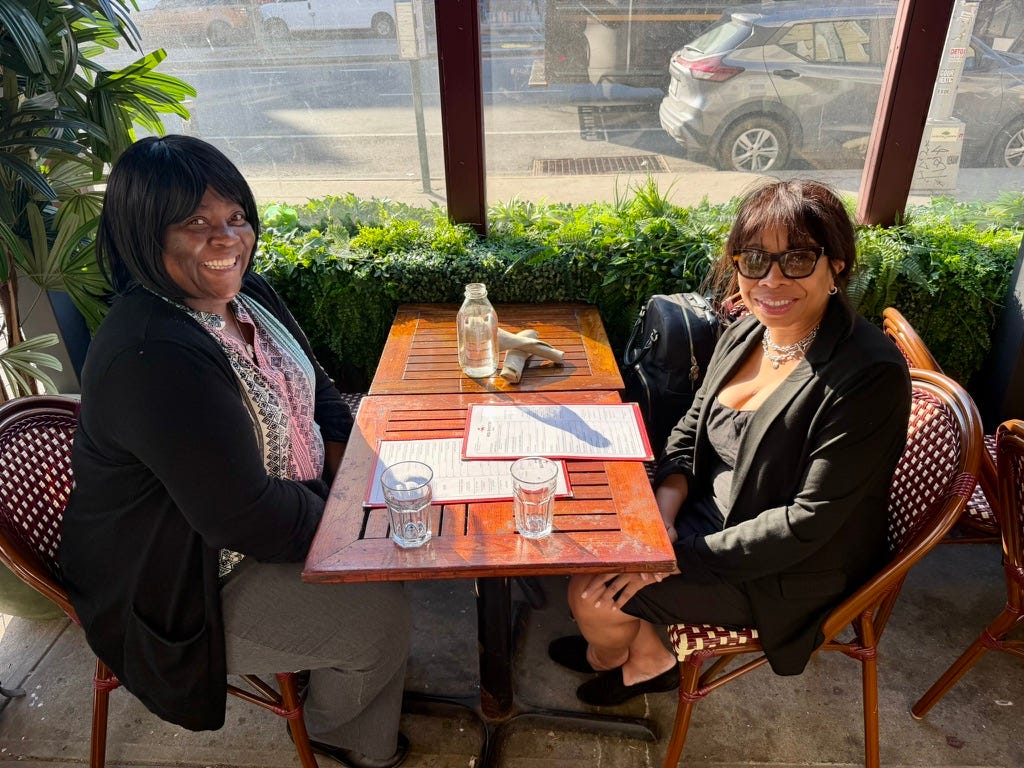
Red Rooster Harlem — early dinner after the last inspection of the day. Not my first time, but it lands differently when you’re there with someone experiencing it for the first time. The fried yard bird. Always.
Day trips with the Delta Lounge. There’s something about the compressed intensity of a day in another city — inspections, conversations, observations, a good meal — and then being home that clarifies thinking in a way that multi-day travel doesn’t always produce. The lounge on both ends makes it sustainable. I’m leaning into this rhythm.
Sunday Reflections is back. If you’ve been here a while, thank you for staying. If you’re new, this is the space where I write about what I’m building, what I’m reading, and what I’m thinking — the version of the work that doesn’t fit neatly into a market report.
If you are working through a transaction, a compliance requirement, a market intelligence need, or a strategic portfolio opportunity — I would welcome the conversation.
— Eve
Eve Moss is the Founder and Managing Principal of Clarendon, a commercial real estate firm specializing in housing markets nationwide. With 30+ years of experience, she operates from New York, Boston, and Cleveland, serving agencies, property owners and policymakers.
For inquiries about market analysis, valuation, brokerage services, or strategic advisory, contact eve.moss@clarendon.com or visit clarendon.com.
Everything at evemoss.com → Market Intelligence. Mindful Living.
Subscribe to receive:
Quarterly market reports
Market intelligence updates
Analysis of housing policy changes
Insights from 30+ years in real estate